

Sunscald: When Summer Heat Leaves Its Mark
Thursday, August 13, 2026
Shelby Mendoza, Assistant Manager at the OSU Student
As our high temperatures continue to climb above 95°F, vegetable gardeners may see an increase in sunscald. Sunscald can occur on many fruits and vegetables grown in the garden, with symptoms ranging from minor discoloration to significant tissue damage.
Sunscald becomes more common during this time of year because of our hot temperatures and intense sunlight. Plants may also lose cover as they experience heat and other environmental stresses. As plants lose foliage or canopy cover, fruits and other previously shaded plant parts can become exposed to more direct sunlight than they were earlier in the season.
Sunscald can look different depending on the crop and fruit color, but common symptoms include pale bleached, yellow, tan, or brown areas on exposed portions of the fruit. Early damage may appear blister-like or water-soaked. If the tissue continues to be exposed to intense sunlight, the damaged area can become dry and papery and may eventually crack or become vulnerable to secondary infections.
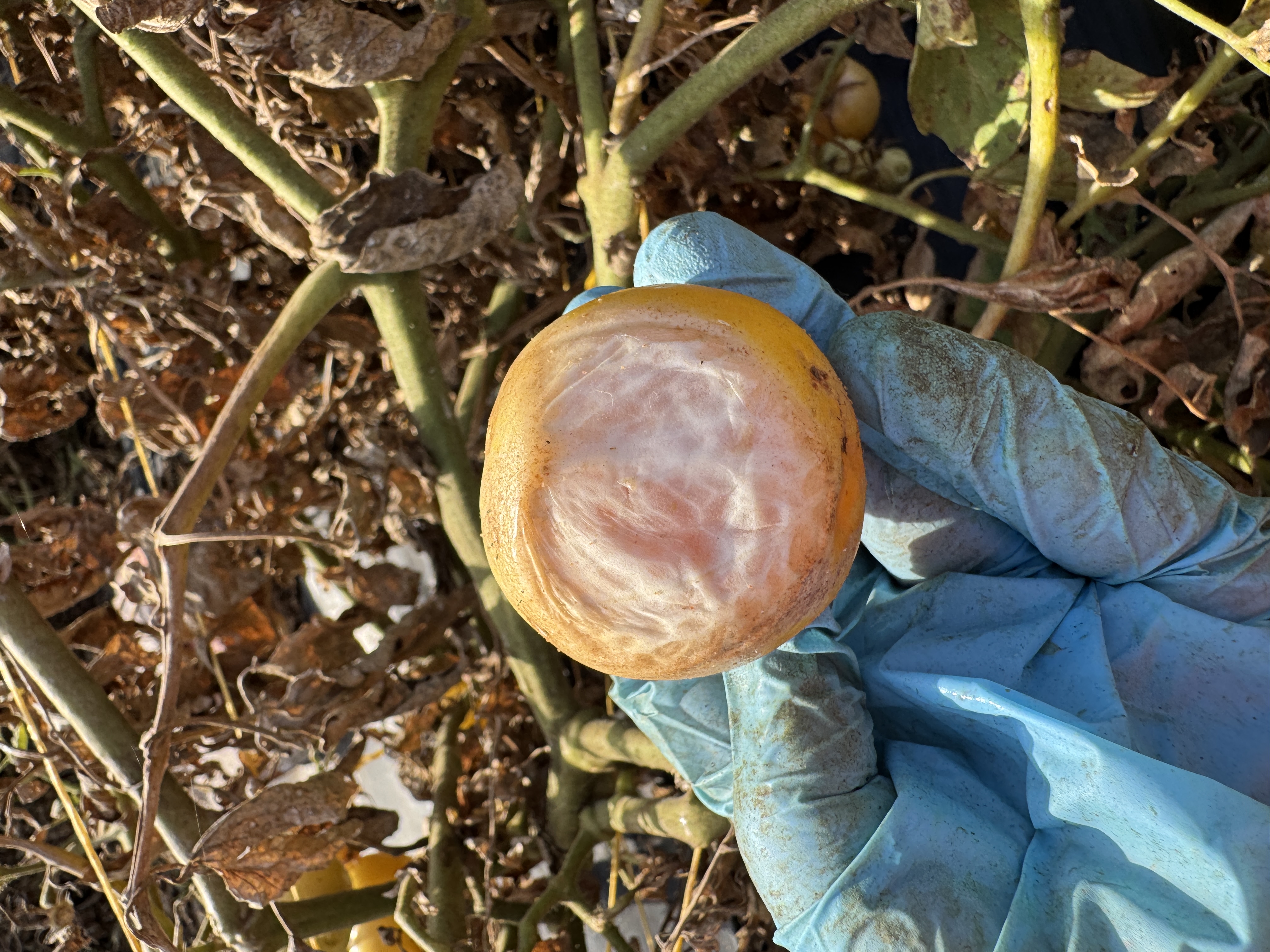 Image 1. A dry, paper-y sunscald wound on a tomato fruit. (Image Credit: Shelby Mendoza)
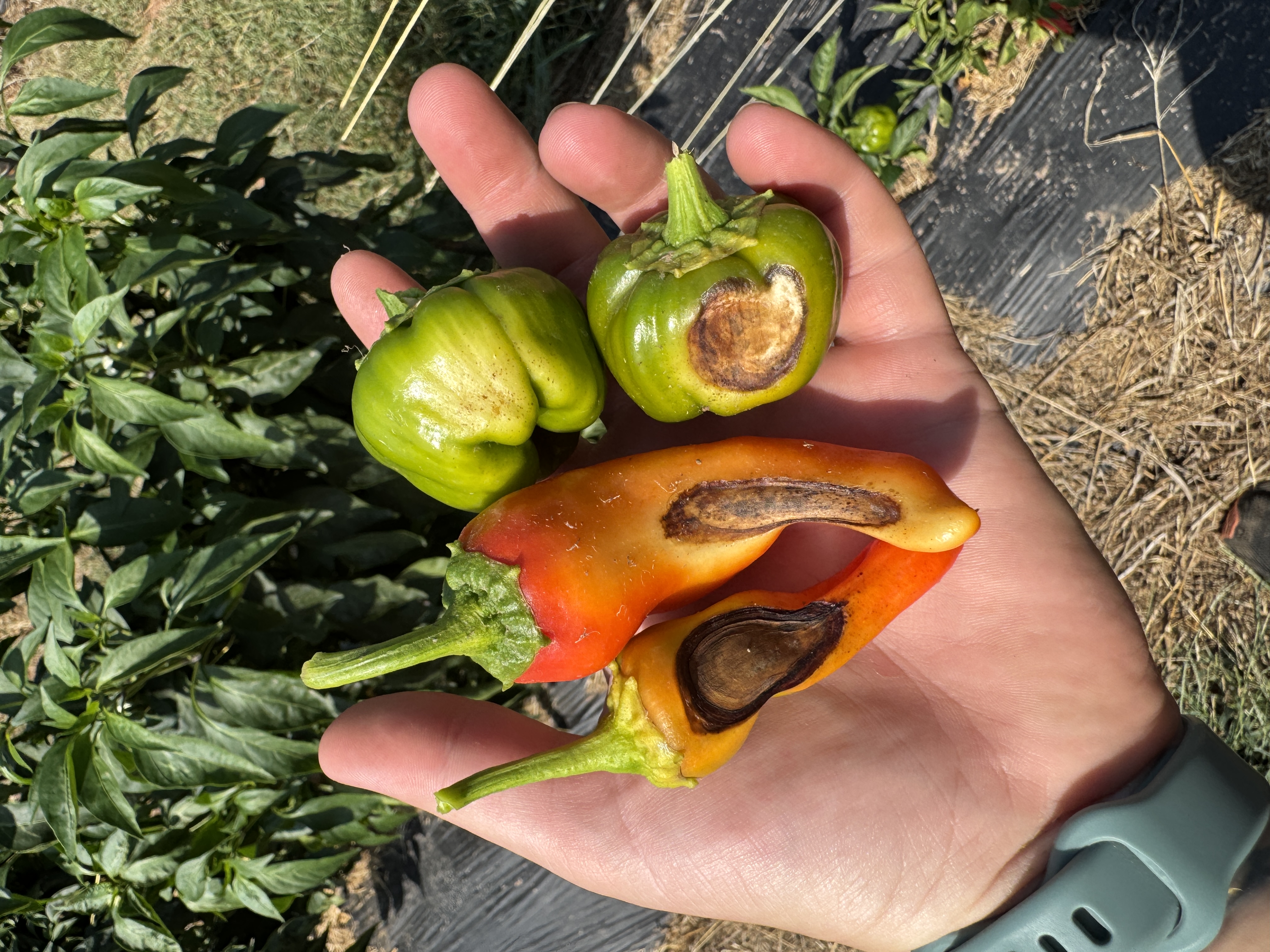 Image 2. Brown blistering caused by sunscald on pepper fruits (Image Credit: Shelby Mendoza)
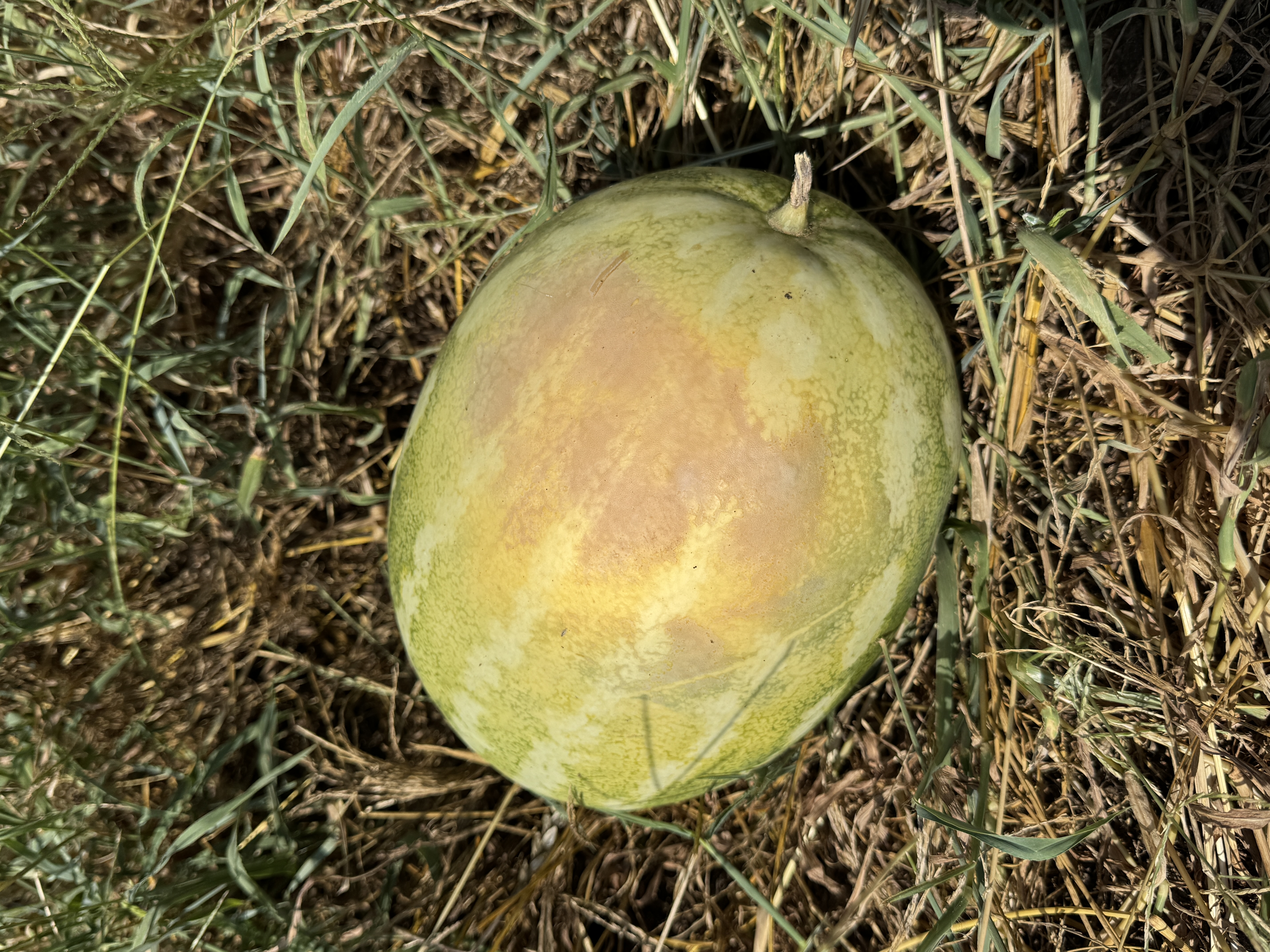 Image 3. Bleached discoloration on a melon from sunscald (Image Credit: Shelby Mendoza)
The first step in preventing sunscald is maintaining healthy plants with enough foliage to provide shade for developing fruits. In our harsh Oklahoma summer weather, however, this can be easier said than done. Providing adequate water and managing pests and diseases can help plants maintain healthy foliage throughout the season.
Another option is to use shade cloth during periods of extreme heat and intense sunlight.
A 30% shade cloth can reduce the amount of sunlight reaching the plants while still allowing enough light for photosynthesis. During periods of particularly extreme heat, a 50% shade cloth may provide additional protection, but heavier shade can reduce plant growth and productivity if used for extended periods.
With Oklahoma’s intense summer conditions, a little protection from the sun can go a long way towards keeping your fruits and vegetables healthy and marketable.
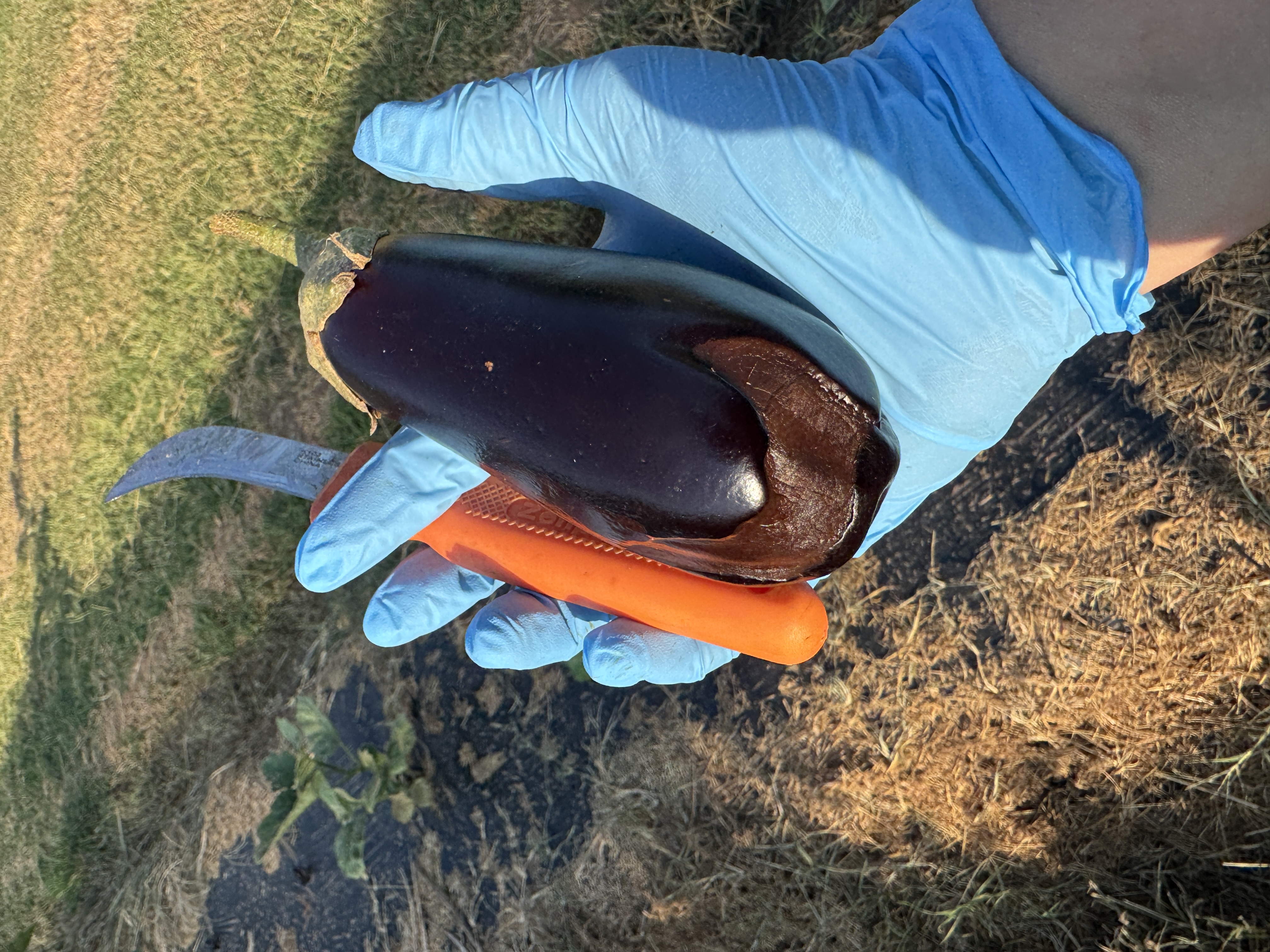 Image 4. An eggplant with a brown, sunken scar from sunscald (Image Credit: Shelby Mendoza)
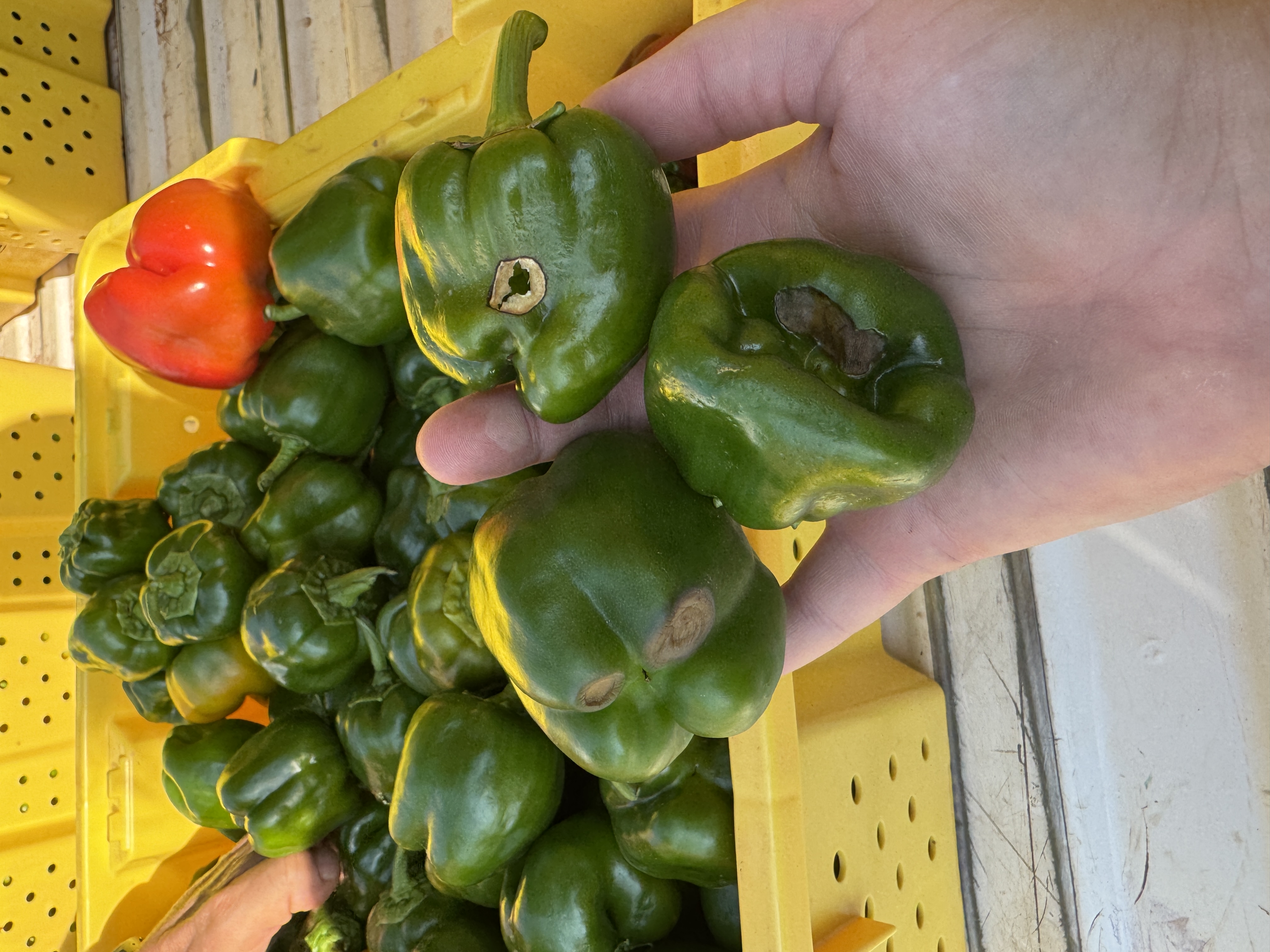 Image 5. Blistering and carcking on green peppers from sunscald (Image Credit: Shelby Mendoza)