

Fall Cucumber Beetle Control
Wednesday, September 30, 2026
Shelby Mendoza, Assistant Manger for the OSU Student Farm
In Oklahoma, we get both spotted and striped cucumber beetles, and right now they are thriving in our gardens. As their name suggests, striped cucumber beetles tend to feed primarily on crops in the cucurbit family, including cucumbers, melons, and gourds. Spotted cucumber beetles have a broader appetite and can be found feeding on warm season crops outside of the cucurbit family, as well as some ornamental flowers.
Adult cucumber beetles damage plants by chewing holes in flowers and leaves. They can also feed fruits, causing damage that varies depending on the crop, but scaring and the presence of honeydew (sap like droplets) are common. In addition to the direct damage they cause, cucumber beetles can transmit plant diseases, including bacterial wilt of cucumbers.
So, what do we do to control the population in our gardens? There are are a few options:
- Remove plant debris from the ground during the growing season and at the end of the season, as cucumber beetles are known to overwinter in plant debris.
- Use kaolin clay to prevent cucumber beetles from earily feeding on your desired plants. The clay severs as a barrier to deter cucumber beetles from feeding.
- Use sticky traps and pheromone lures. Pheromone lures bring the cucumber beetless to the area, and the stick trap actually deos the trapping.
- Use insecticides containing pyrethrum or neem oil when needed.
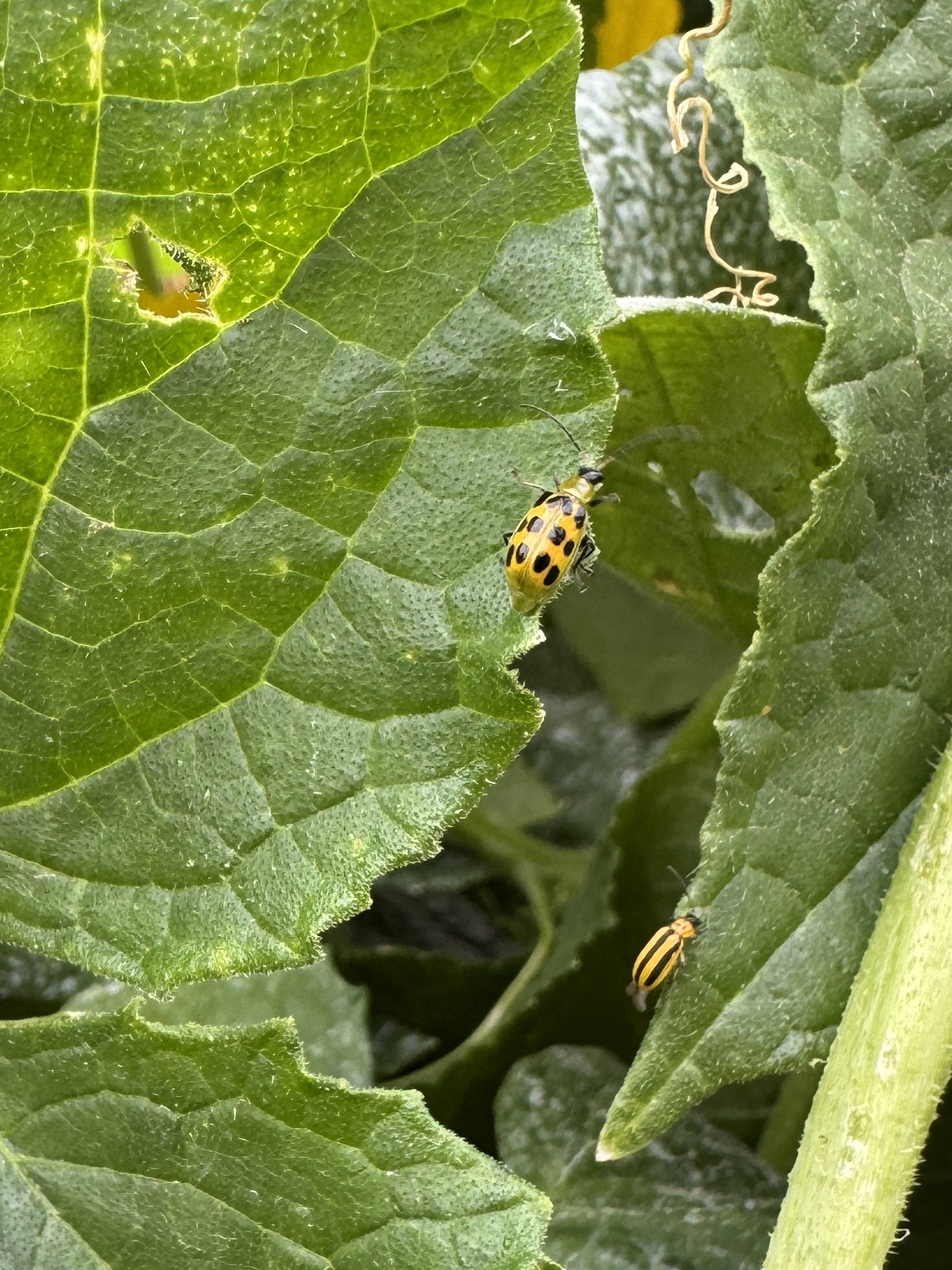 Figure 1. There are spotted and striped cucumber beetles in Oklahoma. (Credit: Shelby Mendoza)
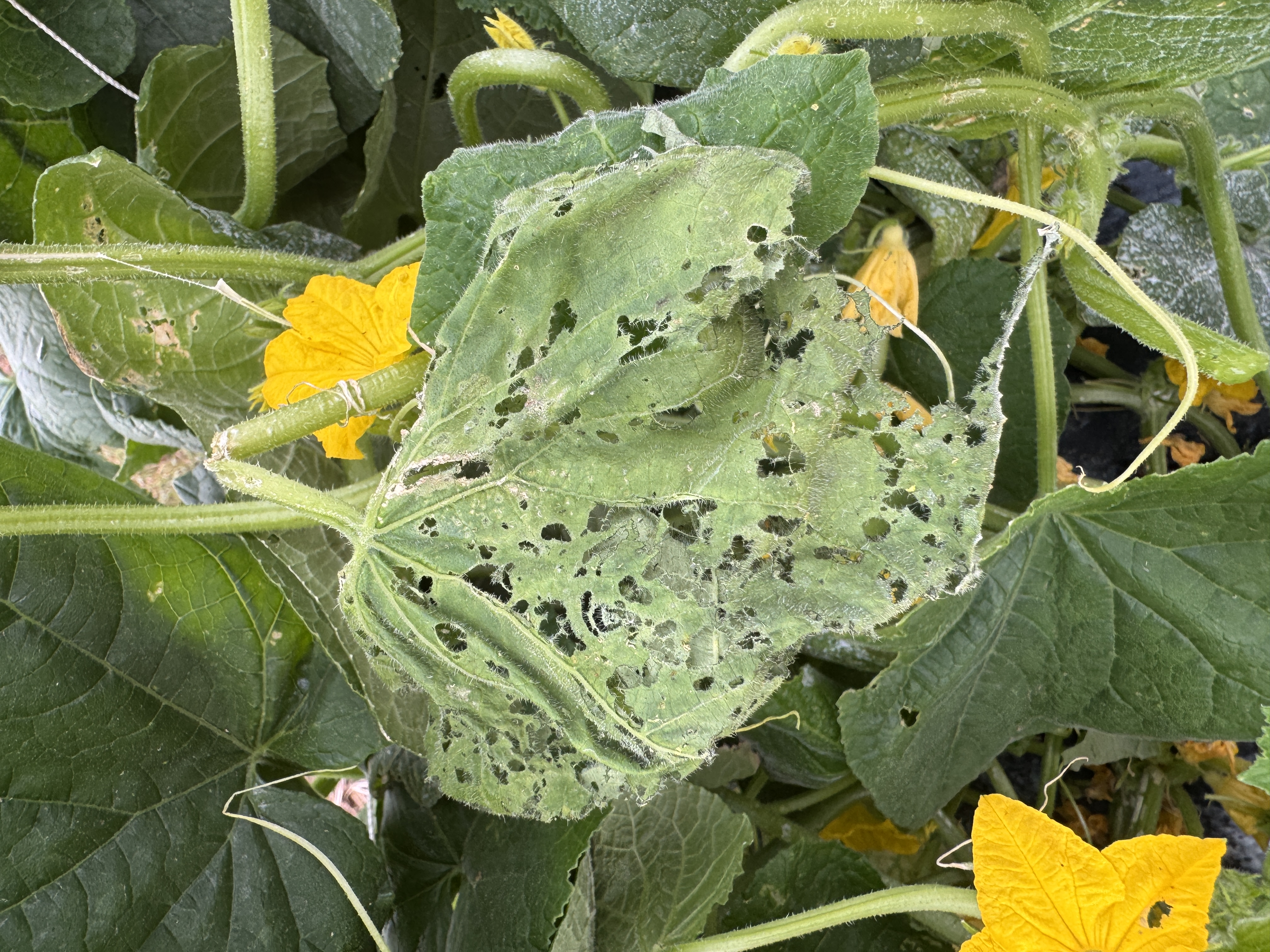 Figure 2. Cucumber beetle damage on leaves. (Credit: Shelby Mendoza)
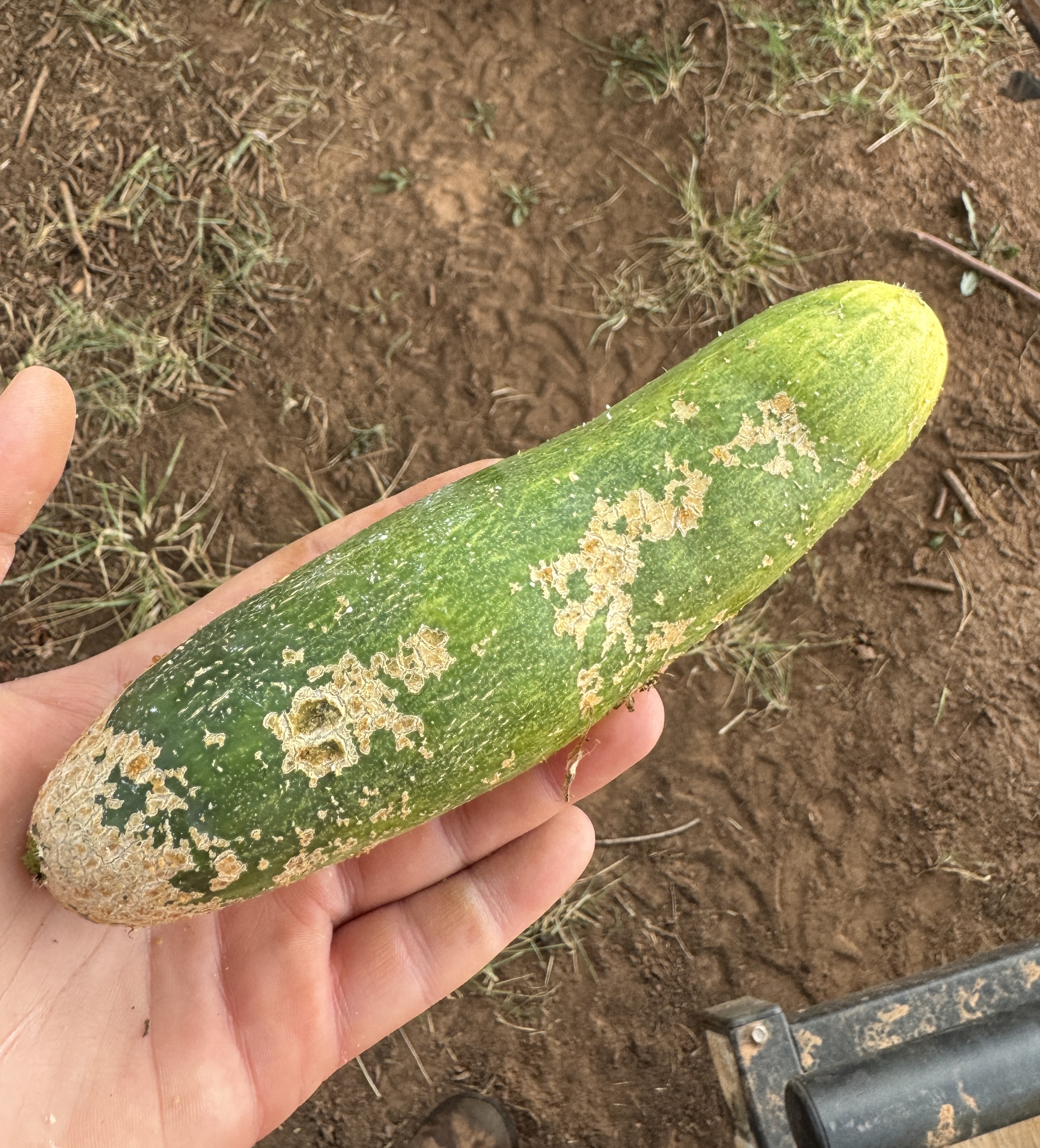 Figure 3. Cucumber beetle damage on fruit. (Credit: Shelby Mendoza)