

Managing Nuisance Armadillo Damage
Armadillo Biology
The nine-banded armadillo (Dasypus novemcinctus) is one of about 20 species of armadillo in the North and South America and is the only armadillo that occurs in the United States. The word armadillo is Spanish for “little armored one,” which is an apt description as they are covered with thick protective scales. Armadillos are mammals and have sparse hair on their underside. The female nine-banded armadillo typically has a single fertilized egg that splits into four, so it gives birth to four identical young. Armadillos generally don’t move far throughout their life, and they have an annual home range of approximately 25 acres.
The armadillo has expanded its distribution north in recent decades; however, they are not tolerant of prolonged cold weather and are sometimes reduced in numbers in northern Oklahoma during periods of extended winter. Armadillos do not hibernate, but they become less active during cold weather. During the winter, they are more likely to feed during the day when temperatures are warm. Armadillos primarily eat invertebrates, such as insects and earthworms, by digging in loose soil using their strong sense of smell and long claws. The armadillo generally digs burrows in forested areas for resting and predator avoidance.
Armadillo digging becomes a nuisance when it happens around the home. Damage from armadillo is generally most pronounced in the summer months in irrigated lawns. Irrigation makes the soil easier to dig up and attracts invertebrates closer to the surface. Armadillo damage is easy to identify based on the presence of multiple shallow holes (usually up to 6 inches deep). They will often root similarly to pigs, especially in loose mulch. Skunk and squirrel damage can look similar, although it is usually smaller in diameter (less than 4 inches) and shallower (less than 3 inches) than armadillo damage.
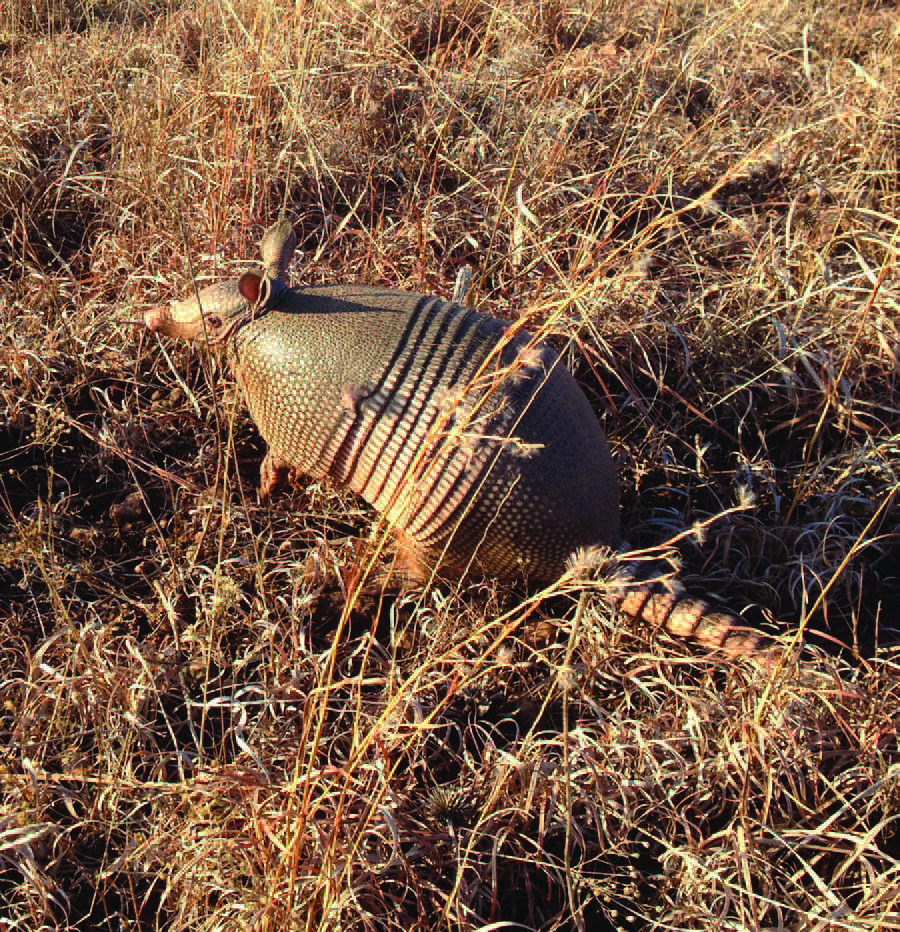
Figure 1. Armadillos are common across Oklahoma and frequently cause turf damage to lawns.
Strategies to Reduce Damage
Homeowners should be aware that there is seldom a quick or easy fix to any wildlife damage problem. Armadillo control can reduce damage, but it is unlikely to eliminate damage without relatively consistent effort. Thus, homeowners should consider their personal tolerance level before trying to reduce armadillo damage, as the time and money put towards control may exceed the damage caused.
If the damage is not widespread enough to warrant armadillo control, you may still want to repair the damage. Damage to rhizomatous grasses, such as bermudagrass, is typically manageable as healthy grass can quickly fill in bare patches. Damage to cool-season grasses, such as tall fescue, is more problematic because the bare patches will need to be reseeded in the fall. Additionally, the extra irrigation required by cool-season grasses during the Oklahoma summer make them especially attractive to armadillos. Regardless, you may want to fill in the armadillo damage with soil and turf. Digging in flower beds likewise will also require some smoothing out. If you choose to fix these spots, wear gloves. Not only will this protect you from skin lacerations, it will protect you from the possibility of coming in contact with leprosy. Armadillos are the only mammal other than humans that is known to become infected with leprosy. Although the probability of infection is relatively low, it is not recommended to handle armadillos or disturbed soil with bare skin.
Repellents are not considered effective for keeping armadillos out of your landscaping. Similarly, scare tactics do not provide long-term relief, as armadillos will quickly return after being run of. Exclusion is effective to reduce armadillo damage to small garden beds. Although armadillos can climb over and burrow under them, fences generally keep armadillos out of an area. Fences more than 12 inches tall should eliminate most armadillo use, but be sure the fence fits closely to the ground to discourage armadillo from rooting under it. For lawns and other large areas, exclusion is not practical.
Applying a soil insecticide to control food resources armadillos seek out while digging is another possibility. However, if armadillos are habituated to your lawn, damage may occur for some time even if food resources are reduced. In fact, damage may temporarily increase after insecticide application as the armadillo search for dwindling food. Additionally, soil insecticides can harm many beneficial insects. For these reasons, it is recommended to target armadillos rather than the insect community unless there is also damage from a specific insect pest. Contact your local county Extension educator to discuss insecticide options.
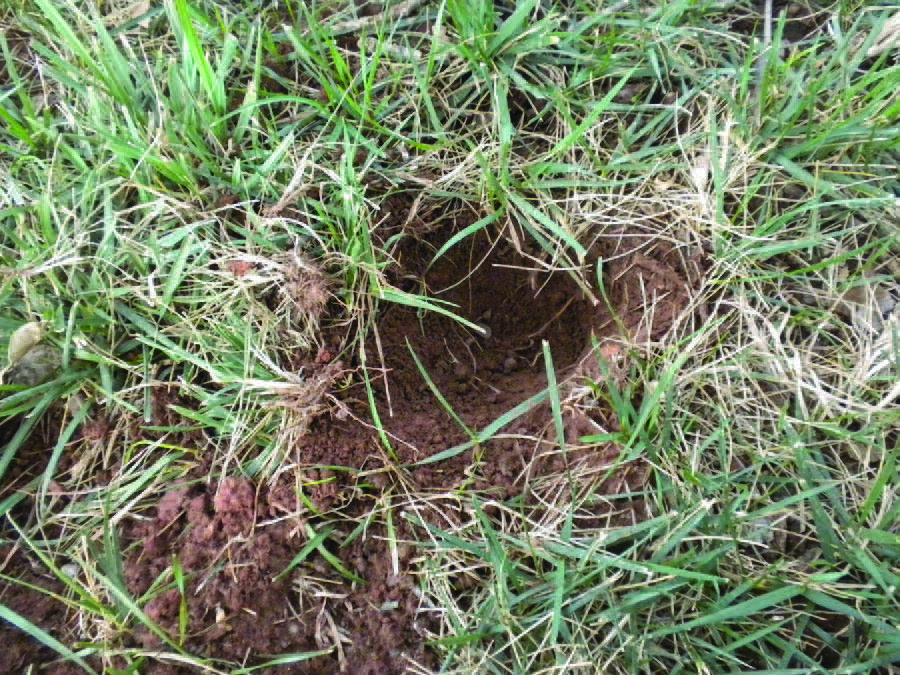
Figure 2. Armadillo frequently dig and root in lawns or in mulch. Tree squirrel and skunk damage can look similar but is usually smaller in diameter and depth compared to armadillo damage.
Trapping and Removal
Armadillos are not protected in Oklahoma and may be trapped or shot throughout the year. Shooting is an effective method where legal. Be sure to check local ordinances regarding discharge of firearms. However, as armadillos are primarily nocturnal – especially during the summer–shooting may not be a practical control option. They are most active in the early hours of the morning (2-5 a.m), especially during the hot summer months. Some homeowners have had success using a motion-activated light that rings a buzzer and wakes them up when an armadillo is present. Although this can work, using a trap is more popular because it allows you to get a good night's sleep. Note that if you approach an armadillo with the intent of killing it at close range (which is possible because they have poor eyesight), they often jump several feet of the ground when frightened and can cause injury if you are standing too close. Thus, it is generally best to shoot them from a moderate distance if you choose to use this method.
Trapping is highly effective using an approximately 12-inch x 12-inch x 32-inch live catch trap. Smaller live catch traps designed for skunks are too small. Traps with doors on either end are most effective, since they double your chances. However, if you know which direction the armadillo is coming from, double door traps are not needed. With armadillo trapping, no bait is generally used, although some homeowners report success using eggs or rotten fruit. The most effective trap setup uses funnels to guide the armadillo into the trap. Existing barriers, such as walls on homes, dense vegetation and privacy fences, can be used as funnels. If no barrier exists, temporary fences made of poultry wire held up with rebar or other rigid stakes works well. The barrier does not need to be tall as armadillos rarely climb and will typically forage along any barrier they encounter, but they should be at least 12 inches long. The wire needs to be secured with rebar flush with the trap door. Do not leave any space between the trap door and the wire or the armadillo is likely to push through the gap.
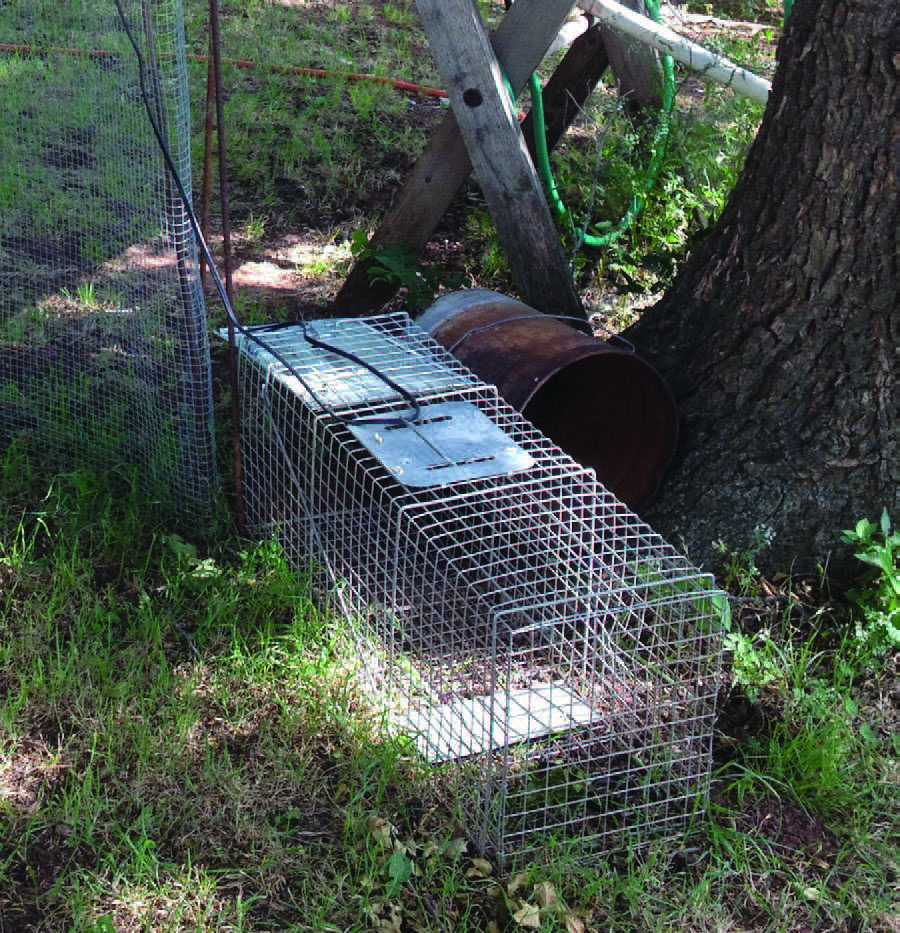
Figure 3. Armadillos are generally easy to capture in a live-catch trap. While no bait is needed, the use of existing barriers and/or temporary barriers will greatly enhance capture. The idea is to create a funnel for the armadillo. This trap set has used existing barriers such as a tree to help funnel armadillo. Notice the poultry wire held in place with rebar. Fresh soil covering the bottom of the trap would also be a good idea.
Place the trap either near pronounced damage or where armadillos are entering the yard or landscaping (if known). If damage is frequent, the animal likely has a burrow nearby (less than 100 yards) in a wooded or riparian area. Trapping near burrows can be effective. Otherwise, position funnels in the direction the armadillo is thought to be coming from to increase the chances of intercepting it. Armadillos are often attracted to freshly irrigated lawns, and it may be worthwhile to consider irrigating the area around the trap to increase chances of capture. Lining the bottom of the trap with freshly dug soil can also can help.
Once trapped, it is not legal to move the armadillo to another location for release unless you have permission from the landowner at the relocation site. Regardless, transporting animals presents many problems, such as disease transmission, displacement of existing wildlife and stress on the animal moved. It is recommended that any trapped armadillo be humanely killed, or contact a professional nuisance wildlife control operator (Nuisance Wildlife Control Operator) to have them remove the animal. There will be a fee associated with this service. Dispatching armadillos should be done as humanely as possible. Drowning is not a humane method of dispatching armadillos. A shot to the head with a 22-caliber rimfire rife is sufficient and is more discrete than other firearms. Before shooting, make certain that there are no rocks or other hard objects under the armadillo that could cause the bullet to ricochet. Also, wear eye protection to prevent debris from injuring your eyes. To reduce the potential of leprosy transmission, use gloves when handling the armadillo or the trap.
Although armadillos can be caught fairly easily, after a few episodes of trapping and disposal, you might decide the damage is tolerable. If so, consider cutting back on irrigation to lessen the likelihood of future damage.